
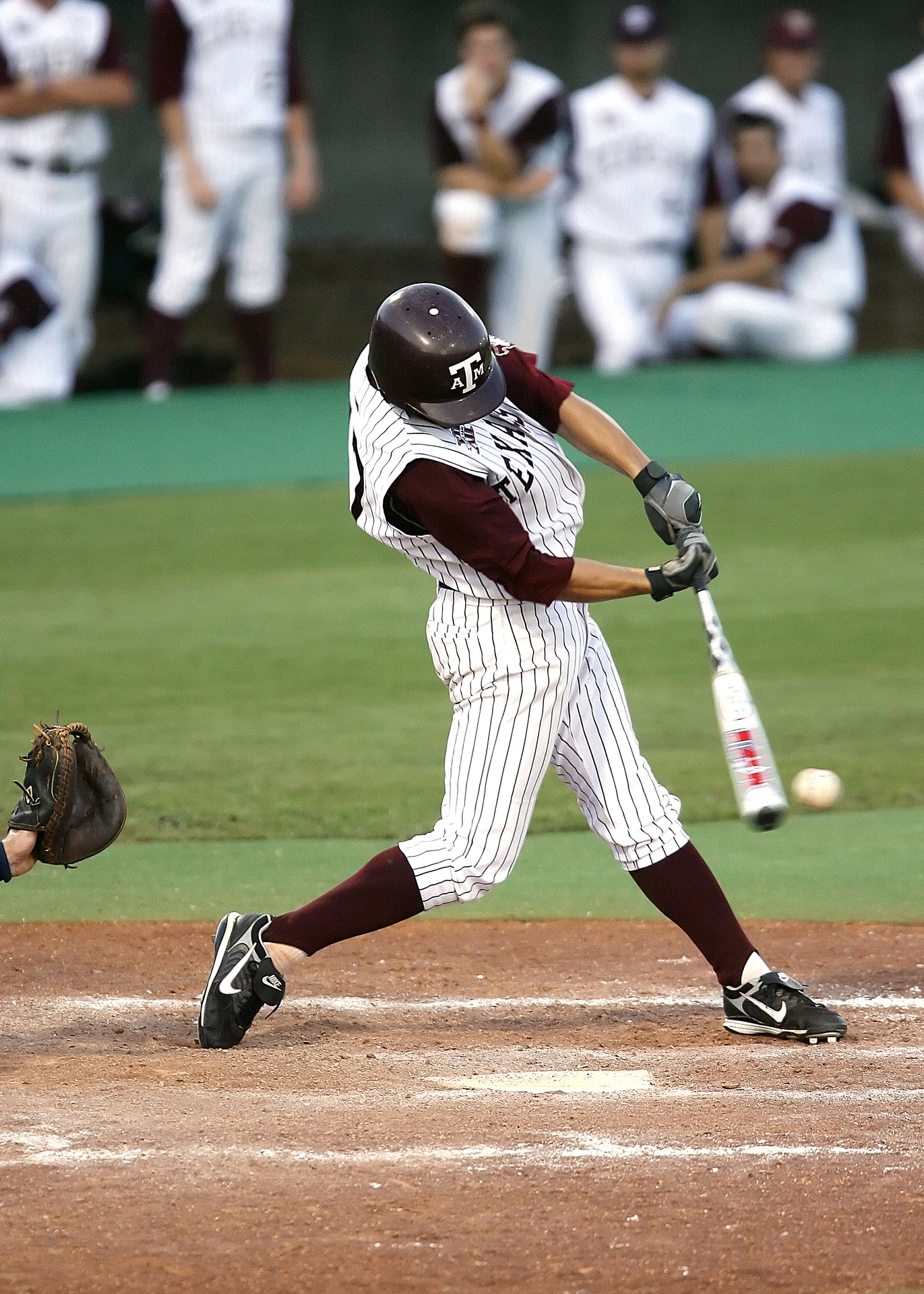
Bat weight affects your swing more than almost any other equipment choice, yet a surprising number of players grab whatever feels okay in the store and call it a day. The problem is that a bat that is too heavy slows your hands through the zone and kills bat speed, while one that is too light sacrifices the mass you need to drive the ball with authority. Getting the balance right for your body, strength level, and swing mechanics is one of the easiest ways to improve your performance at the plate.
Understanding the Drop Weight System
If you have shopped for a bat recently, you have seen numbers like "drop 10" or "drop 3" and maybe wondered what that means.
The drop weight is simply the difference between the bat length in inches and its weight in ounces. A 32-inch bat that weighs 22 ounces has a drop of negative 10, written as -10.
understanding drop weight in baseball bats — The source explains drop weight system and this is directly relevant to the Easton XL3 Drop 5 review, which features a specific drop weight that readers need context to understand..
Here is how drop weights typically break down by league:
- T-ball and coach pitch: -10 to -13
- Little League (ages 8 to 12): -8 to -12
- Travel ball and middle school: -5 to -10
- High school (BBCOR): -3 (required)
- College and wood bat leagues: -3 or heavier
High school and college players do not have much choice here since BBCOR certification requires a -3 drop.
But for youth and travel ball players, there is a wide range to work with, and choosing wisely matters a lot.
Simple Tests to Find Your Ideal Weight
There are a couple of quick tests you can do right in the store or at practice that give you a good starting point.
The extended arm test: Hold the bat straight out to your side with your dominant hand, arm fully extended and parallel to the ground.
Hold it there for 30 to 45 seconds. If your arm starts to drop or shake before the time is up, the bat is too heavy. You should be able to hold it steady without much strain.
The swing speed test: Take 10 to 15 full swings in a row at game effort. If your last few swings are noticeably slower than the first few, or if the barrel starts to drag and you cannot keep the bat head through the zone, you need to go lighter.
Your tenth swing should look and feel almost identical to your first.
beginner-friendly bat options like the Marucci CAT6 — The weight-selection article discusses performance testing for bat choice; linking to the CAT6 review provides beginners with a specific recommendation that aligns with their needs..
top-performing baseball bat models — The weight-selection article mentions specific bat models; linking to the Rawlings VELO review provides readers with another quality bat option to consider alongside their weight analysis..
high-school baseball bat options — The weight-selection article discusses swing consistency and performance testing; linking to the DeMarini Vexxum review (designed for high-school leagues) provides readers with a concrete bat recommendation that applies these weight principles..
lightweight composite bat options — The weight selection article discusses swing consistency principles; the CF Zen review covers a specific lightweight composite example that demonstrates these concepts in practice..
BBCOR bat options for consistent performance — The source discusses swing consistency and bat weight principles; linking to the Mako Torq review provides a concrete example of a BBCOR bat that maintains these performance characteristics..
lightweight composite bat options — The weight selection article discusses swing consistency and bat performance; the Marucci CAT7 is a lightweight composite bat that exemplifies the weight principles being taught..
intentional batting practice drills — The bat weight article emphasizes consistency across multiple swings; linking to structured drills shows readers how to build that consistency through deliberate practice..
filming your swing to check bat speed consistency — The bat weight article discusses evaluating swing speed across multiple reps, making it a natural moment to reference video analysis as a tool for objectively measuring that consistency..
The knob-to-chest test: For length (which directly affects overall weight), place the knob of the bat against the center of your chest and extend the bat outward. Your fingertips should be able to wrap around the barrel end. If you cannot quite reach, the bat is probably too long. If your whole hand wraps around easily, it may be too short.
Why Bat Speed Matters More Than Bat Mass
Physics plays a real role here, and the math is pretty clear.
The energy transferred to a baseball on contact depends on both the mass of the bat and the speed of the swing, but swing speed contributes more to exit velocity than bat weight does. Specifically, doubling your bat speed has a much bigger effect on how hard you hit the ball than doubling the weight of your bat.
This is why you see so many college and pro hitters choosing bats on the lighter end of what is allowed.
They want maximum hand speed through the zone. A lighter bat also gives you more time to read the pitch before committing to your swing, which helps with pitch recognition and contact rate.
That said, there is a floor. Go too light and you lose the mass needed to drive the ball. You might make contact more often, but the ball will not jump off the bat. The goal is finding the heaviest bat you can swing at full speed without any decrease in bat speed or barrel control.
Common Mistakes Players Make with Bat Weight
The biggest mistake is ego-driven bat selection.
Young players especially will grab a heavier bat because they think it makes them look stronger or because an older teammate uses that weight. A 12-year-old swinging a -5 when they should be using a -8 is going to develop bad habits like casting the barrel, dropping the hands, and lunging at pitches. Those mechanical flaws are hard to undo later.
Another common issue is not adjusting as the season goes on.
Early in the season when players have not been swinging regularly, a slightly lighter bat can help rebuild timing and mechanics. As the season progresses and strength improves, moving up a weight is reasonable. Some players even keep two bats and alternate depending on how they are feeling that week.
Parents also sometimes buy a heavier bat thinking their kid will grow into it. This almost never works out well. A kid swinging a bat that is too heavy for their current strength will develop compensating mechanics that become deeply ingrained. Buy for where they are now, not where you hope they will be in six months.
Material and Weight Distribution
Two bats can weigh the same on a scale but feel completely different in your hands because of how the weight is distributed along the barrel.
End-loaded bats concentrate more mass toward the end of the barrel.
These are popular with power hitters who generate a lot of bat speed and want maximum momentum at contact. The DeMarini The Goods and Louisville Slugger Meta are examples of slightly end-loaded designs. They feel heavier during the swing but deliver more pop if you can handle the extra whip.
Balanced bats distribute weight more evenly, making them feel lighter and easier to control.
The Marucci CAT X and Easton ADV 360 are known for their balanced swing feel. These are generally better for contact hitters, players who are still developing their swing, and anyone who values bat speed and control over raw power.
One-piece bats tend to transfer more energy on well-struck balls but also transmit more vibration to your hands on mishits. Two-piece bats with a connection point between the handle and barrel dampen that sting, which can be nice during cold weather games or for players who frequently hit off the end of the bat.
Putting It All Together
Start by determining the correct length for your height and reach.
Then use the tests mentioned above to narrow down the right weight within your league allowed drop range. When in doubt, go lighter rather than heavier. It is far better to have a quick, controlled swing with a lighter bat than a slow, labored swing with a heavy one.
If you can, try demo bats before buying. Many local batting cages rent bats, and some leagues have bat libraries where players can test different models.
Online retailers like JustBats and BaseballMonkey also have solid return policies if you need to swap sizes. A $300 bat that is the wrong weight for you will perform worse than a $150 bat that suits your swing perfectly.