
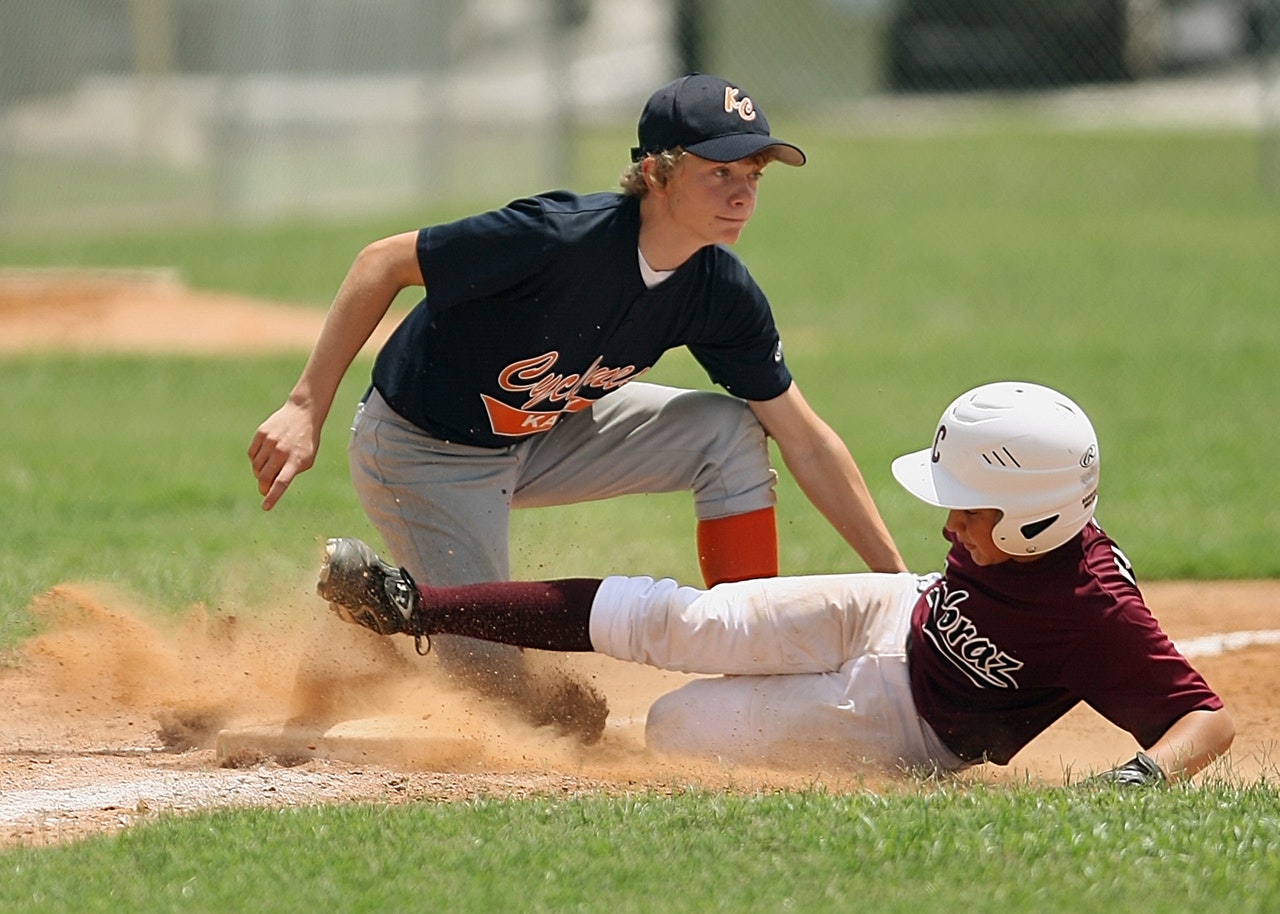
Youth baseball development has evolved significantly, and 2026 brings new insights into how young players can build skills effectively while staying healthy and engaged. Whether you are a coach designing a seasonal program or a parent supporting your child, this guide covers everything you need to create a comprehensive training plan.
Age-Appropriate Training Principles
The foundation of any youth baseball program starts with understanding developmental stages. Players aged 6-8 should focus almost entirely on fun, basic coordination, and fundamental movement patterns. Ages 9-12 can begin more structured skill work, while ages 13-15 are ready for position-specific training and introductory strength work.
The 70 Percent Fun Rule
Research consistently shows that young athletes who enjoy their sport are more likely to continue playing and ultimately reach higher levels. At minimum, 70 percent of practice time for players under 12 should feel like play. This means games, competitions, and creative drills rather than repetitive mechanical work.
Weekly Practice Structure
For a typical youth team practicing three times per week, balance your sessions across these categories:
- Warm-up and movement (15 minutes): Dynamic stretching, agility work, and throwing progressions
- Skill development (25 minutes): Hitting, fielding, or pitching fundamentals
- Game situations (20 minutes): Live batting practice, situational defense, base running scenarios
- Competition and games (15 minutes): Fun competitive activities that reinforce skills
- Cool-down (5 minutes): Light stretching and team discussion
Hitting Development
Modern hitting instruction emphasizes bat path and timing over rigid mechanical positions. Use tee work to build swing foundation, then progress to soft toss, front toss, and eventually live pitching. Video analysis, even from a smartphone, helps players visualize their swing improvements.
Pitching Safety
Arm health is paramount for young pitchers. Follow pitch count guidelines strictly, ensure adequate rest between pitching appearances, and teach proper mechanics from the ground up. The most important mechanical element for young pitchers is using their legs and core to generate power rather than relying on the arm.
Fielding Fundamentals
Ground ball work should progress from rolled balls to fungoed grounders. Emphasize proper fielding position, soft hands, and accurate throwing to targets. Fly ball work should start with pop-ups before progressing to balls hit with more distance and trajectory variation.
Mental Game Development
Teaching young players to handle failure is perhaps the most valuable lesson baseball offers. Help players understand that getting a hit three out of ten times makes you an all-star, and that errors are learning opportunities rather than failures.
Conclusion
A well-designed youth baseball training program balances skill development with enjoyment, competition with cooperation, and challenge with achievable success. Focus on building complete athletes who love the game, and the results will follow naturally.