
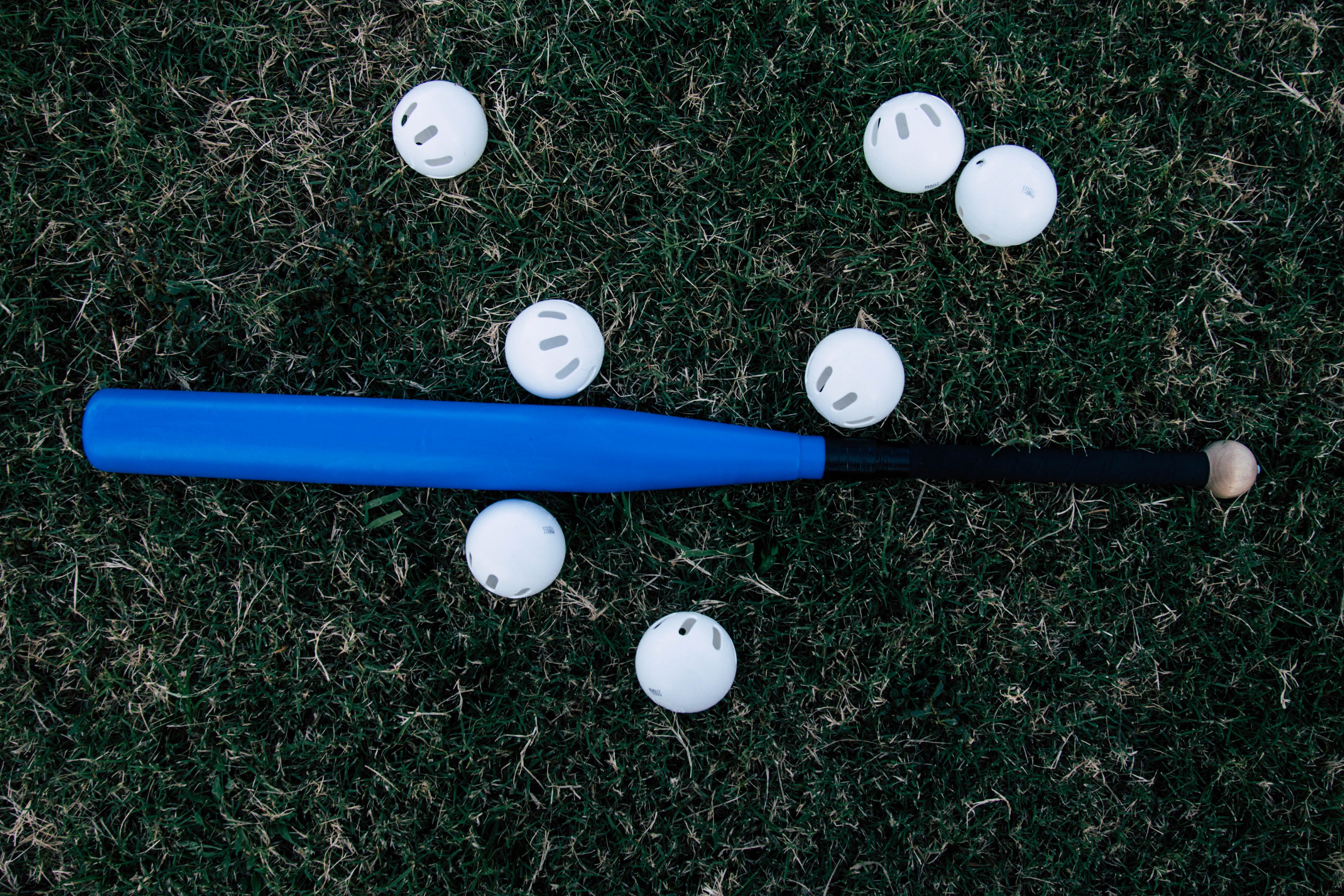
Choosing the right bat for a young player can feel overwhelming with dozens of models flooding the market each year. The wrong bat slows swing speed, teaches bad habits, and drains the fun from the game. The right one builds confidence at the plate and helps a developing hitter reach their potential. This guide breaks down what matters most when selecting a youth baseball bat for the 2026 season.
Understanding Youth Bat Regulations
Before comparing specific bats, understand the rules governing your league. Most youth leagues in the United States follow USA Baseball standards, which require bats to carry the USA Baseball stamp. Some travel ball and competitive leagues follow USSSA standards instead, which allow higher-performing bats marked with the USSSA thumb print logo. A bat legal in one league may not be legal in another, so confirm your league requirements before purchasing.
The key performance regulation is the bat performance factor, which limits how much energy the bat transfers to the ball. USA Baseball bats produce a wood-like performance level, meaning they hit more like traditional wood bats. USSSA bats are allowed higher performance levels, resulting in greater batted ball speeds. Neither standard is better or worse; they simply serve different league philosophies.
Drop Weight: Finding the Right Ratio
Drop weight is the difference between a bat's length in inches and its weight in ounces. A 30-inch bat that weighs 20 ounces has a drop of minus ten. Youth bats typically range from minus eight to minus thirteen, with minus ten and minus eleven being the most common.
A higher drop number means a lighter bat relative to its length. Younger and smaller players generally benefit from lighter drops like minus twelve or minus thirteen because the reduced weight allows faster swing speed. Stronger and more experienced hitters can handle lower drops like minus eight or minus ten, which put more mass behind the ball at contact.
The most reliable way to find the right drop is to have the player hold the bat straight out to the side with one hand, arm fully extended. If they can hold it steady for thirty seconds without the barrel dropping, the bat weight is appropriate. If the barrel drops immediately, the bat is too heavy regardless of what the size chart says.
Bat Materials in 2026
Aluminum alloy bats remain the most popular choice for youth players. They are durable, affordable, and ready to perform straight out of the wrapper with no break-in period. Modern alloy bats use variable wall thickness to create larger sweet spots and reduce vibration on mishits. For players who hit in cold weather or who go through bats quickly due to frequent use, alloy is the practical choice.
Composite bats use layered carbon fiber materials that flex on contact, creating a trampoline effect across a larger portion of the barrel. Composite barrels generally offer bigger sweet spots and less sting on hands than alloy. The tradeoff is cost, typically fifty to one hundred dollars more than comparable alloy models, and a break-in period of one hundred to two hundred swings before the bat reaches peak performance. Composite bats also perform poorly in temperatures below sixty degrees Fahrenheit, where the material becomes brittle and prone to cracking.
Hybrid bats combine a composite handle with an alloy barrel, or vice versa. This approach lets manufacturers optimize each section independently. A composite handle dampens vibration while an alloy barrel provides immediate hot-out-of-the-wrapper performance. Hybrids offer a middle ground in both price and performance.
Barrel Diameter
Youth bats come in two barrel diameters: two and a quarter inches and two and five-eighths inches. The larger barrel provides a bigger hitting surface, which is forgiving for developing hitters who do not consistently make center contact. Most youth leagues allow the larger barrel, but check your league rules to confirm.
The trend in 2026 continues toward the larger barrel across all youth age groups. Unless your league specifically requires the smaller diameter, choose the two and five-eighths inch barrel for maximum plate coverage and confidence.
Handle and Grip Considerations
Handle thickness and taper affect how the bat feels in a young hitter's hands. Thinner handles allow faster wrist action through the zone, which benefits contact-oriented hitters. Thicker handles provide a more solid feel and reduce the sting of vibration, which power hitters may prefer.
Most youth bats come with a synthetic grip that is adequate but not exceptional. Aftermarket grips are inexpensive and easy to install. A cushioned grip reduces hand fatigue during long batting practice sessions and provides better traction in humid conditions when hands get sweaty.
When to Size Up
Growing kids outgrow bats faster than they wear them out. As a general guideline, a bat should reach from the center of the player's chest to the tip of their fingers when held at their side. If the current bat only reaches to the palm, it is time to move up an inch in length.
Resist the temptation to buy a bat the player will grow into. An oversized bat forces the hitter to compensate with poor mechanics, developing habits that are hard to break later. Buy the bat that fits now, and plan to replace it as the player grows. The used bat market is active, and last season's model in good condition holds reasonable resale value.
Budget Considerations
Youth bat prices range from forty dollars for basic alloy models to over three hundred dollars for top-tier composites. For players in their first or second year of organized ball, a mid-range alloy bat between seventy-five and one hundred fifty dollars delivers excellent performance without a premium price. Save the high-end composite for players who are committed to the game and will use the bat frequently enough to break it in and benefit from the technology.
Watch for clearance sales on previous model year bats. Bat technology evolves incrementally, and last year's top model performs virtually identically to this year's version at a significant discount. Online retailers and local sporting goods stores often mark down prior year inventory by thirty to fifty percent during spring.
Final Thoughts
The best youth baseball bat is the one your player swings with confidence. Specifications matter, but feel and comfort at the plate matter more. Whenever possible, let the player swing several options before committing. Many batting cages and specialty retailers offer demo programs. A bat that feels right in a young hitter's hands will produce better results than the most expensive model that feels awkward. Focus on fit, follow your league rules, and let the young player swing away.